Navigating the Complexity of Travel in India Planning a major international vacation to India from the United States, the United Kingdom, Canada, or Australia is an exciting prospect filled with dreams of ancient fortresses, vibrant spice markets, and luxury palace hotels. However, India is also a vast, incredibly diverse, and complex continent-sized nation. With 28 states, hundreds of distinct languages, complex transport logistics, and varying regional travel requirements, organizing an Indian itinerary independently can quickly feel overwhelming. For Western travelers accustomed to standardized travel infrastructure, navigating independent bookings across India can present unexpected challenges—from managing unexpected flight changes and train schedules to avoiding tourist scams and selecting truly hygienic dining options. This is precisely where partnering with an experienced, specialized inbound tour operator makes all the difference. This comprehensive 1,200-word guide details why choosing a dedicated local travel agency ensures that your dream trip to India is safe, comfortable, perfectly paced, and completely stress-free. 1. Tailor-Made Itineraries Paced for Western Travelers One of the most common mistakes independent travelers make when visiting India is attempting to squeeze too many destinations into a single trip. India's sheer geographical size means that travel between cities takes time. An overloaded itinerary can lead to travel fatigue, leaving little time to genuinely enjoy each destination. The Value of Expert Itinerary Design Custom Pacing: Specialized tour planners craft balanced itineraries that match your exact interests—whether you want a relaxed heritage tour, an active wildlife safari, or a wellness-focused retreat. Efficient Route Optimization: Rather than spending long hours in transit every day, professional planners select the efficient travel combinations—such as combining high-speed express trains with private chauffeurs and domestic flights. Exclusive Access: Dedicated agencies curate exclusive experiences—such as private dinners inside royal palace gardens or behind-the-scenes visits to artisan workshops—that independent travelers cannot access. 2. Guaranteed
Navigating the Complexity of Travel in India
Planning a major international vacation to India from the United States, the United Kingdom, Canada, or Australia is an exciting prospect filled with dreams of ancient fortresses, vibrant spice markets, and luxury palace hotels. However, India is also a vast, incredibly diverse, and complex continent-sized nation. With 28 states, hundreds of distinct languages, complex transport logistics, and varying regional travel requirements, organizing an Indian itinerary independently can quickly feel overwhelming.
For Western travelers accustomed to standardized travel infrastructure, navigating independent bookings across India can present unexpected challenges—from managing unexpected flight changes and train schedules to avoiding tourist scams and selecting truly hygienic dining options. This is precisely where partnering with an experienced, specialized inbound tour operator makes all the difference.
This comprehensive 1,200-word guide details why choosing a dedicated local travel agency ensures that your dream trip to India is safe, comfortable, perfectly paced, and completely stress-free.
1. Tailor-Made Itineraries Paced for Western Travelers
One of the most common mistakes independent travelers make when visiting India is attempting to squeeze too many destinations into a single trip. India’s sheer geographical size means that travel between cities takes time. An overloaded itinerary can lead to travel fatigue, leaving little time to genuinely enjoy each destination.
The Value of Expert Itinerary Design
Custom Pacing: Specialized tour planners craft balanced itineraries that match your exact interests—whether you want a relaxed heritage tour, an active wildlife safari, or a wellness-focused retreat.
Efficient Route Optimization: Rather than spending long hours in transit every day, professional planners select the efficient travel combinations—such as combining high-speed express trains with private chauffeurs and domestic flights.
Exclusive Access: Dedicated agencies curate exclusive experiences—such as private dinners inside royal palace gardens or behind-the-scenes visits to artisan workshops—that independent travelers cannot access.
2. Guaranteed Safety, Quality Control & 24/7 Ground Support
For international guests, safety and peace of mind are paramount. Traveling with a trusted inbound operator provides an essential safety net throughout your entire journey across India.
Verified High-Standard Accommodations
Not all 4-star or 5-star online ratings are created equal. Professional tour operators personally inspect, vet, and monitor every partner hotel. They ensure that accommodations meet strict international hygiene standards, offer high-quality western or purified dining options, and provide modern, comfortable amenities.
Private Luxury Chauffeur Transport
Navigating Indian city traffic or rural highways independently can be stressful. Specialized agencies provide clean, modern, fully air-conditioned luxury vehicles driven by professional, vetted, English-speaking chauffeurs. Drivers manage all road tolls, parking fees, and route navigation, allowing you to relax and enjoy the scenery.
Dedicated 24/7 On-Ground Support
If you encounter unexpected flight delays, sudden weather changes, or health concerns, a local tour team is available 24/7 to resolve issues instantly. Having a dedicated contact person on the ground ensures immediate assistance whenever needed.
3. Licensed, Fluent English-Speaking Tour Guides
Exploring historic monuments like the Taj Mahal, Amber Fort, or Qutub Minar without context means missing out on the rich stories behind these iconic structures. However, hiring unauthorized guides at monument entrances can lead to inaccurate information and aggressive upselling.
The Advantage of Official Licensed Guides
Expert Historical Storytelling: Professional agencies provide government-licensed guides certified by the Ministry of Tourism. These experts possess deep historical knowledge and speak fluent, clear English.
Seamless Monument Entry: Your private guide arranges fast-track monument entry tickets in advance, allowing you to bypass long public queue lines under the sun.
Protection from Street Distractions: A dedicated guide acts as a helpful cultural bridge, protecting you from persistent street vendors and ensuring smooth interactions at local markets.
Why Direct Local Inbound Operators Offer Better ValueBooking directly with an established inbound operator based in India eliminates middleman fees charged by large international travel agencies in North America or Europe. You get higher quality luxury vehicles, superior heritage hotel rooms, and personalized service at much more competitive rates.
4. Stress-Free Logistics & Priority Ticketing
Managing travel details in India requires navigating local booking platforms, currency exchanges, and monument entry systems. A specialized tour operator handles all these details seamlessly:
Seamless Transport Arrangements: Domestic flights, express train tickets (such as Executive Class on the Gatimaan or Vande Bharat Express), and private transfers are fully secured well in advance.
Pre-Booked Monument & Safari Permits: Entry permits for restricted regions (such as Ladakh, Sikkim, or national park tiger safari zones) are managed effortlessly by local logistics staff.
Curated Food & Dining Options: Experienced planners select restaurants that adhere to strict hygiene standards, ensuring guests enjoy delicious local flavors with complete digestive comfort.
Experience India with Confidence
India is a captivating destination that rewards travelers with unforgettable memories. By partnering with a specialized inbound travel operator, guests from the USA, UK, Canada, and around the world can experience the beauty, history, and culture of India with absolute ease, safety, and luxury.
Our dedicated travel agency specializes in crafting unforgettable custom tours for international visitors. Contact our expert team today to start planning your seamless journey to India.
The Land of Spiritual Wisdom For thousands of years, India has been globally revered as the birthplace of major world religions, philosophies, and contemplative practices—including Hinduism, Buddhism, Jainism, and Sikhism. From the sacred waters of the holy Ganges River to the serene, forested foothills of the Himalayas, the Indian subcontinent offers a serene retreat for travelers seeking mindfulness, ancient history, and spiritual reflection. For visitors traveling from the United States, Canada, Europe, and Australia, exploring India's spiritual heartlands is often a deeply transformative experience. It provides an opportunity to step away from the fast-paced modern world and observe traditions that have continued unbroken for over three millennia. This 1,200-word spiritual guide explores India's most venerated destinations, offering practical advice for international seekers. 1. Varanasi: The Eternal City on the Ganges Situated along the crescent curved banks of the sacred River Ganges in Uttar Pradesh, Varanasi (also known as Kashi or Benares) is widely recognized as one of the world's oldest continuously inhabited cities. Mark Twain famously wrote that Varanasi is 'older than history, older than tradition, older even than legend, and looks twice as old as all of them put together.' The Sacred Ghats of Varanasi The city's spiritual life revolves around its 84 stone riverfront steps, known as ghats. Each morning at dawn, thousands of pilgrims descend to the water's edge to offer prayers to the rising sun, perform ritual baths, and chant ancient Vedic hymns. Dawn Boat Ride: Boarding a private rowboat at sunrise provides a peaceful view of life along the ghats. Watch pilgrims, sadhus (holy ascetics), and historic riverfront palaces bathed in soft golden morning light. The Evening Ganga Aarti: Every evening at sunset, Dashashwamedh Ghat hosts the awe-inspiring Ganga Aarti. Young Hindu priests dressed in traditional silk robes perform synchronized rituals using heavy brass oil
The Land of Spiritual Wisdom
For thousands of years, India has been globally revered as the birthplace of major world religions, philosophies, and contemplative practices—including Hinduism, Buddhism, Jainism, and Sikhism. From the sacred waters of the holy Ganges River to the serene, forested foothills of the Himalayas, the Indian subcontinent offers a serene retreat for travelers seeking mindfulness, ancient history, and spiritual reflection.
For visitors traveling from the United States, Canada, Europe, and Australia, exploring India’s spiritual heartlands is often a deeply transformative experience. It provides an opportunity to step away from the fast-paced modern world and observe traditions that have continued unbroken for over three millennia. This 1,200-word spiritual guide explores India’s most venerated destinations, offering practical advice for international seekers.
1. Varanasi: The Eternal City on the Ganges
Situated along the crescent curved banks of the sacred River Ganges in Uttar Pradesh, Varanasi (also known as Kashi or Benares) is widely recognized as one of the world’s oldest continuously inhabited cities. Mark Twain famously wrote that Varanasi is ‘older than history, older than tradition, older even than legend, and looks twice as old as all of them put together.’
The Sacred Ghats of Varanasi
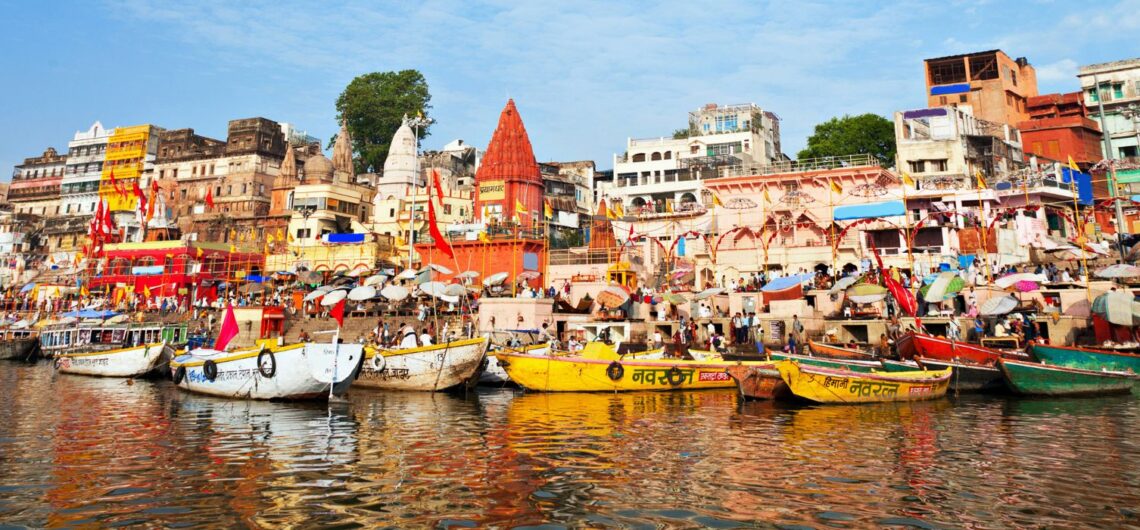
The city’s spiritual life revolves around its 84 stone riverfront steps, known as ghats. Each morning at dawn, thousands of pilgrims descend to the water’s edge to offer prayers to the rising sun, perform ritual baths, and chant ancient Vedic hymns.
Dawn Boat Ride: Boarding a private rowboat at sunrise provides a peaceful view of life along the ghats. Watch pilgrims, sadhus (holy ascetics), and historic riverfront palaces bathed in soft golden morning light.
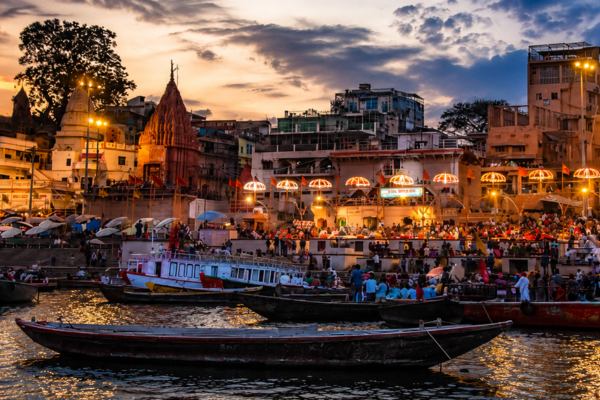
The Evening Ganga Aarti: Every evening at sunset, Dashashwamedh Ghat hosts the awe-inspiring Ganga Aarti. Young Hindu priests dressed in traditional silk robes perform synchronized rituals using heavy brass oil lamps, incense, bells, and rhythmic chanting, creating an unforgettable atmosphere of light and devotion.
2. Rishikesh & Haridwar: Yoga & Mountain Serenity
Located where the emerald waters of the Ganges flow out from the Himalayan foothills, Rishikesh is internationally celebrated as the ‘Yoga Capital of the World.’ Made famous in the West after The Beatles visited Maharishi Mahesh Yogi’s ashram in 1968, Rishikesh remains a center for yoga, meditation, and holistic Ayurvedic wellness.
Experiences in Rishikesh for International Guests
Authentic Yoga & Meditation Retreats: Stay at world-class luxury wellness retreats (such as Ananda in the Himalayas) or authentic traditional ashrams to practice yoga, Pranayama breathing, and meditation with certified master instructors.
Ayurvedic Wellness & Spa Treatments: Receive personalized health evaluations from qualified Ayurvedic doctors, enjoying customized herbal therapies, body massages (Abhyanga), and organic nutrition plans.
Iconic Suspension Bridges: Cross the famous iconic suspension bridges Lakshman Jhula and Ram Jhula, exploring riverside cafes and peaceful meditation spots along the clean mountain river.
3. Sarnath: The Cradle of Buddhist Philosophy
Located just 10 kilometers northeast of Varanasi lies Sarnath, one of the four most sacred pilgrimage sites in Buddhism. It was here, in the tranquil Deer Park around 528 BCE, that Gautama Buddha delivered his very first sermon after achieving enlightenment, introducing the Four Noble Truths and the Eightfold Path.
Dhamek Stupa: A massive cylindrical stone stupa standing 43.6 meters high, built by Emperor Ashoka in 249 BCE to mark the sacred spot of Buddha’s first teaching.
Sarnath Archaeological Museum: Houses spectacular ancient stone sculptures, including the original 3rd-century BCE Lion Capital of Ashoka, which serves as the official National Emblem of India.
4. The Stone Temples of South India: Architectural Marvels
While North India features serene river ghats and ashrams, South India is famous for its massive, intricately carved Dravidian stone temple complexes.
Brihadeeswarar Temple in Thanjavur: A UNESCO World Heritage site built in 1010 CE by Emperor Raja Raja Chola I. Its central stone tower (Vimana) reaches 66 meters high and is crowned by a single carved granite block weighing 80 tons.
Meenakshi Temple in Madurai: Known for its soaring, colorful entrance gateways (Gopurams) decorated with thousands of painted stone figures of deities and mythical creatures.
Tips for Visiting Sacred Sites in IndiaMaintain a quiet, respectful presence inside temple sanctuaries. Always remove footwear and hats before entering sacred grounds. Maintain modest attire covering shoulders and legs, and always ask permission before photographing holy sadhus or worshipping devotees.
Embark on a Soulful Journey
Exploring India’s spiritual heartlands is more than a sightseeing tour—it is a journey of quiet reflection and cultural discovery. From the morning chants on the riverbanks of Varanasi to the peaceful mountain air of Rishikesh, India offers a serene sanctuary for travelers from all walks of life.
Our specialized travel agency creates seamless, comfortable spiritual itineraries featuring private transfers, handpicked boutique stays, and knowledgeable local guides. Contact us today to customize your personal spiritual journey to India.
Beyond the Monuments While India's iconic marble mausoleums and hilltop fortresses captivate travelers from around the globe, the true heartbeat of the subcontinent lies within its vibrant living culture. India is not merely a collection of historical stone landmarks; it is an incredible mosaic of ancient customs, colorful festivals, culinary traditions, regional music, and warm hospitality. For travelers coming from North America, the UK, Europe, and Australia, immersing oneself in India's local life offers an unmatched opportunity to experience a culture where ancient rituals are joyfully lived out every single day. Culture in India is deeply woven into the fabric of daily life—from the morning ritual of drawing intricate chalk rangoli patterns outside doorways, to the rhythmic clacking of handlooms in rural artisan villages, to the aromatic spice blends bubbling in family kitchens. This detailed 1,200-word guide explores the richest cultural experiences India offers, providing practical advice for Western travelers eager to connect authentically with local life. 1. Celebrating India's Iconic Festivals Firsthand Festivals in India are joyful, community celebrations of light, color, season, and spirit. Participating in a festival alongside local families is often highlighted as the most unforgettable moment of an international visitor's trip. Diwali: The World-Famous Festival of Lights Occurring annually between October and November, Diwali symbolizes the ultimate triumph of light over darkness and good over evil. Across the country, homes, temples, and streets are decorated with thousands of traditional clay oil lamps (diyas), vibrant floral garlands, and glowing lanterns. The Visitor Experience: Joining a private Indian family for an evening puja (blessing ceremony), exchanging festive sweets, and watching fireworks displays over historic city skylines like Jaipur or Varanasi. Planning Tip: Book heritage stays well in advance, as Diwali is the peak travel season nationwide. Holi: The Festival of Colors & Spring Renewal Celebrated in March,
Beyond the Monuments
While India’s iconic marble mausoleums and hilltop fortresses captivate travelers from around the globe, the true heartbeat of the subcontinent lies within its vibrant living culture. India is not merely a collection of historical stone landmarks; it is an incredible mosaic of ancient customs, colorful festivals, culinary traditions, regional music, and warm hospitality. For travelers coming from North America, the UK, Europe, and Australia, immersing oneself in India’s local life offers an unmatched opportunity to experience a culture where ancient rituals are joyfully lived out every single day.
Culture in India is deeply woven into the fabric of daily life—from the morning ritual of drawing intricate chalk rangoli patterns outside doorways, to the rhythmic clacking of handlooms in rural artisan villages, to the aromatic spice blends bubbling in family kitchens. This detailed 1,200-word guide explores the richest cultural experiences India offers, providing practical advice for Western travelers eager to connect authentically with local life.
1. Celebrating India’s Iconic Festivals Firsthand
Festivals in India are joyful, community celebrations of light, color, season, and spirit. Participating in a festival alongside local families is often highlighted as the most unforgettable moment of an international visitor’s trip.
Diwali: The World-Famous Festival of Lights
Occurring annually between October and November, Diwali symbolizes the ultimate triumph of light over darkness and good over evil. Across the country, homes, temples, and streets are decorated with thousands of traditional clay oil lamps (diyas), vibrant floral garlands, and glowing lanterns.
The Visitor Experience: Joining a private Indian family for an evening puja (blessing ceremony), exchanging festive sweets, and watching fireworks displays over historic city skylines like Jaipur or Varanasi.
Planning Tip: Book heritage stays well in advance, as Diwali is the peak travel season nationwide.
Holi: The Festival of Colors & Spring Renewal
Celebrated in March, Holi welcomes the arrival of spring with unmatched enthusiasm. People gather in open courtyards and city squares to throw vibrant colored powders (gulal) and scented water, dancing to traditional dhol drumbeats.
Safety & Comfort for International Visitors: Overseas guests should participate in private, eco-friendly celebrations hosted by luxury heritage hotels or vetted local communities using 100% organic, botanical flower-based colors to protect sensitive skin and eyes.
The Pushkar Camel Fair: Rajasthan’s Cultural Spectacle
Held every November on the edge of the Thar Desert, the Pushkar Fair brings together over 50,000 camels, horses, and cattle alongside desert nomads, folk dancers, musicians, and craftspeople. It offers a rare window into traditional rural Rajasthani life.
2. Culinary Traditions: A Sensory Journey Through Regional Spices
Indian cuisine is remarkably diverse. Contrary to popular Western belief, there is no single ‘Indian food.’ Each of India’s 28 states boasts its own distinct culinary identity, governed by local geography, climate, and ancient spice traditions.
North Indian Flavors
Characterized by rich, aromatic gravies, creamy tandoori roasts, fragrant basmati rice biryanis, and fresh oven-baked breads like naan and roti. Spices like cardamom, cumin, saffron, and cloves feature prominently.
South Indian Flavors
Built around light, fermented rice crepe dosas, fluffy idlis, tangy tamarind sambar, and fresh coconut milk infusions cooked with mustard seeds and fresh curry leaves.
Safe Culinary Exploration for Overseas Guests
To experience authentic flavors while ensuring maximum digestive comfort, specialized cultural itineraries include:
Vetted Food Walks: Walking through historic food lanes accompanied by culinary experts who select hygienic, renowned family eateries.
Private Cooking Masterclasses: Joining master chefs in boutique heritage kitchens to learn the precise art of balancing whole spices, making naan, and crafting authentic curries from scratch.
Customized Spice Levels: Premium travel agencies coordinate with top-tier restaurants to customize spice levels and accommodate dietary needs (such as gluten-free, vegan, or nut allergies).
3. Traditional Artisanship & Rural Village Encounters
India is home to some of the oldest surviving craft traditions in human history. Visiting artisan communities directly supports local heritage preservation while providing travelers with incredible hand-carved souvenirs.
Block-Printing in Bagru & Sanganer (Rajasthan): Witness master craftspeople stamp intricate botanical designs onto cotton fabrics using hand-carved wooden blocks and natural indigo dyes.
Silk Weaving in Varanasi (Uttar Pradesh): Explore ancient workshops where pure silk threads are hand-woven with gold and silver zari threads to create iconic Banarasi sarees.
Pietra Dura Marble Inlay in Agra: Tour studios where descendants of original Mughal artisans practice the delicate marble gemstone inlay art seen on the Taj Mahal.
Cultural Etiquette Tip for Western TravelersWhen visiting Indian homes or sacred sites, always remove your footwear at the entrance. Use your right hand for giving, receiving, and dining, as the left hand is traditionally reserved for personal hygiene. Dressing modestly with covered shoulders and knees is highly respected across all regional communities.
4. Performing Arts: Music, Dance & Folklore
Indian classicism is expressed through captivating performance arts that date back thousands of years.
Bharatanatyam Dance of South India: Originating in the temples of Tamil Nadu, this classical dance form uses expressive facial storytelling (abhinaya) and complex footwork to depict ancient legends.
Kathakali of Kerala: The dramatic classical storytelling dance of Kerala, featuring intricate face painting, elaborate headpieces, and vivid silent pantomime.
Sitar & Tabla Evening Recitals: Relaxing evening performances featuring classical Sitar, Sarod, and Tabla drum rhythms in historic palace courtyards under the stars.
Embark on a Cultural Odyssey
Exploring India’s vibrant cultural tapestry allows international travelers to connect with the human spirit of this ancient civilization. Whether celebrating colors during Holi, savoring fresh regional curries, or watching silk weavers at work, your journey through India will leave you with cherished memories and a deeper appreciation for world cultures.
Our specialized inbound travel agency designs tailor-made cultural tours with private English-speaking guides, vetted authentic experiences, and luxury accommodations. Contact our expert team today to plan your personalized cultural tour to India.
Stepping Into a World ofEndless WonderFor travelers journeying from the United States, the United Kingdom, Canada, Australia, and WesternEurope, visiting India for the very first time is far more than a standard vacation—it is a profound, life-affirming cultural expedition. India is a land where ancient history and contemporary vitality exist inperfect, harmonious rhythm. From the towering snow-capped peaks of the Himalayas down to theserene, palm-lined backwaters of Kerala, every province tells a saga carved over millennia. Yet, for first-time visitors seeking to unlock the foundational essence of India's architectural majesty and royalheritage, one legendary travel circuit stands undeniably supreme: The Golden Triangle.Encompassing three of Northern India's most iconic destinations—Delhi, Agra, and Jaipur—the GoldenTriangle forms a geographical trifecta of historic proportions. On a map, these three cities outline anearly equilateral triangle across the heartland of North India, spanning roughly 720 kilometers (450miles). Within this historic corridor lies the very soul of North Indian civilization: the grandeur of theMughal Empire, the sublime devotion of ancient Hindu traditions, and the impenetrable desertstrongholds of Rajput kings.However, venturing across North India requires thoughtful planning, structural logistics, and seasonedlocal expertise. Understanding the nuances of regional transport, respecting sacred cultural etiquettes,choosing authentic heritage accommodations, and navigating historic monuments seamlessly canelevate a great trip into an extraordinary memory. This definitive 1,200-word heritage guide providesinternational travelers with everything they need to embark on a safe, comfortable, and deeplyenriching Golden Triangle journey.Leg 1: Delhi — The Storied Capital of EmpiresPast & PresentYour Indian journey begins in Delhi, a dynamic metropolis that serves as both the nation's politicalnucleus and a living museum of world history. Few cities on Earth possess a historic timeline as rich andtumultuous as Delhi. Over two thousand years, seven major historical empires have risen, ruled, and fallen across these plains, each leaving behind colossal stone fortresses, sacred
Stepping Into a World of Endless Wonder For travelers journeying from the United States, the United Kingdom, Canada, Australia, and Western Europe, visiting India for the very first time is far more than a standard vacation—it is a profound, life- affirming cultural expedition. India is a land where ancient history and contemporary vitality exist in perfect, harmonious rhythm. From the towering snow-capped peaks of the Himalayas down to the serene, palm-lined backwaters of Kerala, every province tells a saga carved over millennia. Yet, for first- time visitors seeking to unlock the foundational essence of India’s architectural majesty and royal heritage, one legendary travel circuit stands undeniably supreme: The Golden Triangle. Encompassing three of Northern India’s most iconic destinations—Delhi, Agra, and Jaipur—the Golden Triangle forms a geographical trifecta of historic proportions. On a map, these three cities outline a nearly equilateral triangle across the heartland of North India, spanning roughly 720 kilometers (450 miles). Within this historic corridor lies the very soul of North Indian civilization: the grandeur of the Mughal Empire, the sublime devotion of ancient Hindu traditions, and the impenetrable desert strongholds of Rajput kings. However, venturing across North India requires thoughtful planning, structural logistics, and seasoned local expertise. Understanding the nuances of regional transport, respecting sacred cultural etiquettes, choosing authentic heritage accommodations, and navigating historic monuments seamlessly can elevate a great trip into an extraordinary memory. This definitive 1,200-word heritage guide provides international travelers with everything they need to embark on a safe, comfortable, and deeply enriching Golden Triangle journey. Leg 1: Delhi — The Storied Capital of Empires Past & Present Your Indian journey begins in Delhi, a dynamic metropolis that serves as both the nation’s political nucleus and a living museum of world history. Few cities on Earth possess a historic timeline as rich and tumultuous as Delhi. Over two thousand years, seven major historical empires have risen, ruled, and
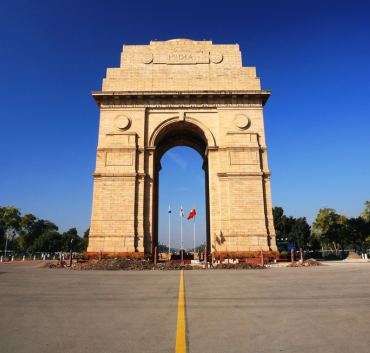
fallen across these plains, each leaving behind colossal stone fortresses, sacred tombs, and atmospheric bazaars. Exploring Old Delhi (Shahjahanabad) Established in 1639 by the Mughal Emperor Shah Jahan—the master architect behind the Taj Mahal—Old Delhi remains a vibrant hub of traditional Indian life. The highlight of Old Delhi is the mighty Red Fort (Lal Qila), constructed from rich red sandstone. Its massive 75-foot-high octagonal walls once housed the lavish courtly life of Mughal emperors. Jama Masjid: Stand before the immense courtyard of India’s largest mosque, constructed entirely of red sandstone and white marble, holding up to 25,000 worshippers. Chandni Chowk Rickshaw Ride: Board a traditional rickshaw through Chandni Chowk, an energetic maze of narrow alleys brimming with aromatic spice markets, handcrafted silver jewelry, and centuries-old sweet shops. The Architectural Elegance of New Delhi In stark, majestic contrast to Old Delhi’s bustling lanes lies New Delhi, designed in the early 20th century by British architects Sir Edwin Lutyens and Herbert Baker. Here, wide tree-lined boulevards lead to colossal monuments of state and UNESCO World Heritage sites. Humayun’s Tomb: Built in the 16th century, this magnificent garden tomb served as the direct architectural inspiration for the Taj Mahal. Its soaring double dome and symmetrical Persian gardens represent early Mughal geometry at its peak. Qutub Minar Complex: The world’s tallest brick minaret, standing at 73 meters. Surrounding the tower are 5th-century iron pillars that have resisted rust for over 1,500 years and ancient carved sandstone colonnades. India Gate & Presidential Avenue: A 42-meter-high stone archway commemorating fallen soldiers, standing proudly along the ceremonial Rajpath boulevard near the Official Residence of the President (Rashtrapati Bhavan). Insider Travel Tip for Western Visitors To experience Delhi comfortably without feeling rushed, plan for a 2-day stay. Begin your mornings early around 8:30 AM to tour open-air monuments like Qutub Minar and Humayun’s Tomb before the afternoon warmth, leaving the afternoons for climate-controlled museum visits or luxury shopping.
Leg 2: Agra — The Immortal City of Eternal Love
Leaving Delhi via the smooth, modern Yamuna Expressway, a pleasant three-hour private chauffeur drive brings travelers south to Agra, situated quietly along the banks of the sacred Yamuna River. Agra achieved international renown as the imperial capital of the Mughal Empire during the 16th and 17th centuries, under the visionary rule of Emperors Akbar, Jahangir, and Shah Jahan. The Crown Jewel: Taj Mahal
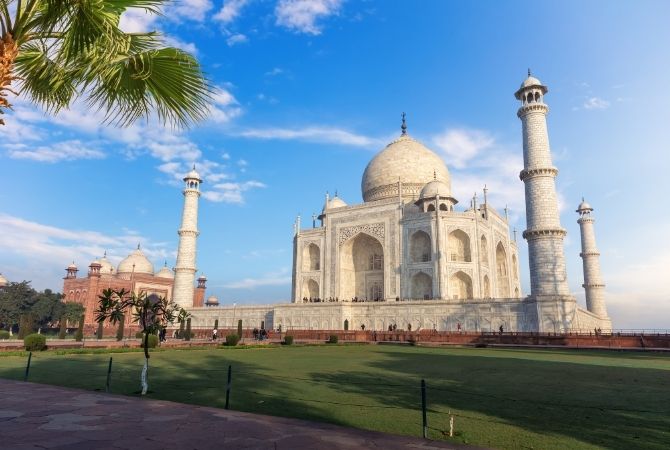
Nothing quite prepares the human eye for the real-life encounter with the Taj Mahal. Recognized globally as one of the Seven Wonders of the New World and a UNESCO World Heritage site, this magnificent ivory-white marble mausoleum was commissioned in 1632 by Emperor Shah Jahan to honor the memory of his beloved wife, Mumtaz Mahal.
Crafted over 22 years by more than 20,000 master artisans, stonemasons, and calligraphers brought from Persia, Central Asia, and Europe, the Taj Mahal is an unmatched triumph of symmetry and artistic detail. The exterior walls are decorated with intricate Pietra Dura—a specialized inlay technique using semi-precious gemstones like lapis lazuli, turquoise, onyx, and mother-of-pearl carved directly into pure white translucent marble.
The Sunrise Experience: Arrive at the VIP entrance gates at dawn (around 5:45 AM). As the first light of sunrise hits the dome, the marble transforms from soft lavender hues to warm golden tones—offering breathtaking photography opportunities free of peak afternoon crowds.
Mehtab Bagh (Moonlight Garden): Located directly across the river, this historic Mughal garden offers an unobstructed, peaceful sunset view of the Taj Mahal reflected across the Yamuna waters. Agra Fort & The Lost Capital of Fatehpur Sikri Beyond the Taj Mahal, Agra holds other world-class historical treasures. The massive Agra Fort, a massive red sandstone citadel that served as the primary seat of Mughal power, features opulent marble palaces like the Khas Mahal, Diwan-i-Khas, and the octagonal Musamman Burj tower, where Shah Jahan spent his final years gazing quietly at the Taj Mahal. Just 40 kilometers west of Agra lies Fatehpur Sikri, a perfectly preserved red sandstone ghost city built by Emperor Akbar in 1571. Abandoned after only 14 years due to water shortages, its massive Buland Darwaza gateway (54 meters high) and pristine courtyards stand as silent testaments to Akbar’s grand architectural vision.
Leg 3: Jaipur — The Royal Pink City of Rajasthan From Agra, your private vehicle journeys west into Rajasthan, India’s storied desert state of warrior princes and grand fortresses. The terminal point of the Golden Triangle is Jaipur, famously nicknamed ‘The Pink City.’ In 1876, Maharaja Ram Singh ordered the entire city painted in a distinct terracotta-pink
shade—the traditional color of royal hospitality—to welcome the visiting Prince of Wales (later King Edward VII). Today, the historic walled city retains this iconic color scheme by municipal law. The Fortresses of the Rajput Kings
Amber Fort (Amer Fort): Perched dramatically atop the Amer hills, this 16th-century fortress blends Rajput and Mughal architecture. Visitors can ride up to the grand courtyards and explore the famous Sheesh Mahal (Palace of Mirrors), where thousands of tiny convex mirrors illuminate the marble chamber under a single candle flame.
Nahargarh & Jaigarh Forts: Standing high on the Aravalli hills, Nahargarh and Jaigarh offer panoramic views across the Jaipur urban expanse and house the world’s largest historic wheeled cannon, the Jaivana. Royal Palaces & Astronomical Genius
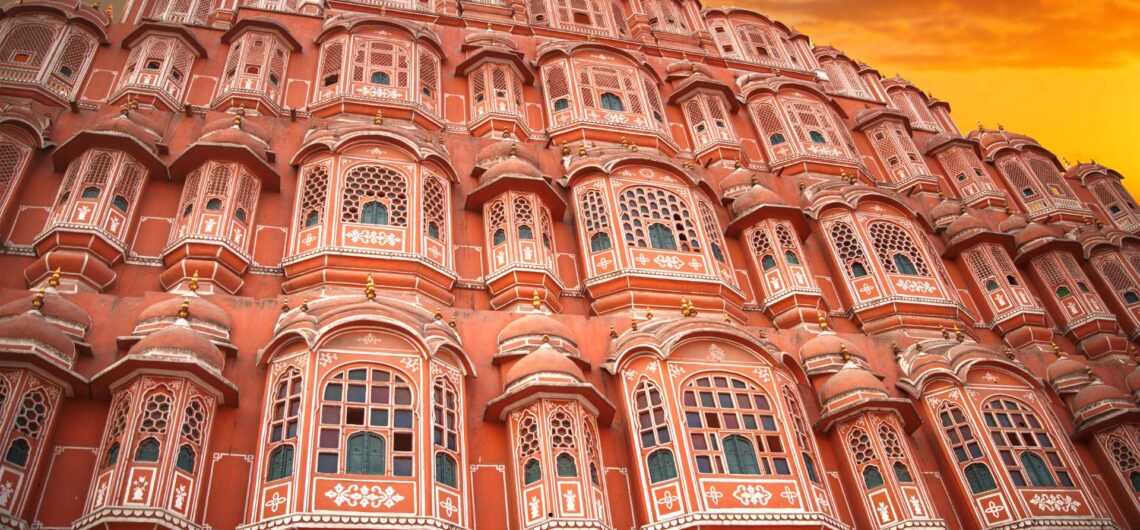
Hawa Mahal (Palace of Winds): Featuring an extraordinary five-story facade crafted with 953 small, delicately carved latticework windows (Jharokhas). This unique design allowed royal women of the court to observe colorful street festivals below while remaining unobserved by the public.
City Palace Complex: The official residence of the Jaipur Royal Family, featuring grand courtyards, museums displaying royal garments, and exquisite weapons collections.
Jantar Mantar Observatory: A UNESCO World Heritage astronomical park built in 1734 by King Sawai Jai Singh II. It houses 19 monumental stone architectural instruments, including the world’s largest stone sundial (Samrat Yantra), accurate to within two seconds. Essential Travel Logistics for Overseas Visitors To ensure a seamless, high-comfort vacation across India’s Golden Triangle, international visitors from North America and Europe should keep these key operational guidelines in mind
Best Time to Visit: The optimal window for visiting North India is between October and March, when temperatures range between a pleasant 15°C to 25°C (59°F to 77°F), ideal for outdoor sightseeing and heritage walking tours.
Private Chauffeur vs. Rail: Traveling via a private luxury chauffeur vehicle is the most comfortable and flexible option. Modern expressways like the Yamuna Expressway (Delhi to Agra) and the Delhi- Mumbai Expressway significantly reduce driving times.
Heritage Accommodation: One of India’s greatest highlights is staying in converted heritage Haveli hotels (historic royal mansions) or world-class luxury palace hotels (such as the Taj, Oberoi, or Leela properties), offering authentic royal hospitality with international luxury standards.
Licensed Guides: Hiring government-approved, fluent English-speaking local guides ensures accurate historical context, fast-track entrance entry, protection from unauthorized vendors, and personalized cultural insights.
Book Your India Tour with Creative India Tours
The Golden Triangle of India is far more than a sightseeing tour it is a deeply transformative journey through the high points of human architecture, royal legacy, and living tradition. By walking through the red sandstone courtyards of Delhi, standing in silent awe before Agra’s Taj Mahal, and discovering the pink-walled palaces of Jaipur, international travelers gain a lifelong appreciation for India’s rich cultural heritage. As a specialized inbound travel operator serving guests from the USA, UK, Canada, and around the globe, our agency crafts fully customized, stress-free heritage itineraries tailored to your exact pacing, dietary requirements, and accommodation preferences. Contact our expert travel team today to start designing your tailor-made Golden Triangle journey to India.
How to Choose the Best Taj Mahal Tour Package from Delhi Planning a visit to the Taj Mahal from Delhi is one of the easiest ways to experience India's Mughal heritage in a short amount of time. Located in Agra, Uttar Pradesh, the Taj Mahal can be visited as a day trip from Delhi by private car or train, with options ranging from sunrise experiences to more relaxed multi-day itineraries. But which Taj Mahal tour package is right for you? The answer depends on how much time you have, how you prefer to travel, whether you want to see the Taj Mahal at sunrise, and how much sightseeing you want to include in Agra. A well-planned tour can combine the Taj Mahal with attractions such as Agra Fort, Mehtab Bagh, and Itmad-ud-Daulah while taking care of transportation and local sightseeing. If you want to compare available itineraries first, explore the complete Taj Mahal Tour Packages collection. What Is the Best Taj Mahal Tour from Delhi? The best Taj Mahal tour from Delhi depends on your travel style. A private car tour is best for flexibility, a sunrise tour is ideal for an early-morning Taj Mahal experience, and a train tour is a good option for travelers who prefer rail transportation. For travelers with only one day, all three options can provide an efficient way to visit Agra and return to Delhi. The important thing is to choose an itinerary based on your priorities rather than selecting a package simply because it is inexpensive. 1. Same Day Taj Mahal Tour by Car A private car is one of the most flexible ways to travel from Delhi to Agra. A Same Day Agra Tour by Car can include pickup from a Delhi hotel or airport, private air-conditioned transportation, a local guide, and
How to Choose the Best Taj Mahal Tour Package from Delhi
Planning a visit to the Taj Mahal from Delhi is one of the easiest ways to experience India’s Mughal heritage in a short amount of time. Located in Agra, Uttar Pradesh, the Taj Mahal can be visited as a day trip from Delhi by private car or train, with options ranging from sunrise experiences to more relaxed multi-day itineraries.
But which Taj Mahal tour package is right for you?
The answer depends on how much time you have, how you prefer to travel, whether you want to see the Taj Mahal at sunrise, and how much sightseeing you want to include in Agra.
A well-planned tour can combine the Taj Mahal with attractions such as Agra Fort, Mehtab Bagh, and Itmad-ud-Daulah while taking care of transportation and local sightseeing. If you want to compare available itineraries first, explore the complete Taj Mahal Tour Packages collection.
What Is the Best Taj Mahal Tour from Delhi?
The best Taj Mahal tour from Delhi depends on your travel style. A private car tour is best for flexibility, a sunrise tour is ideal for an early-morning Taj Mahal experience, and a train tour is a good option for travelers who prefer rail transportation.
For travelers with only one day, all three options can provide an efficient way to visit Agra and return to Delhi.
The important thing is to choose an itinerary based on your priorities rather than selecting a package simply because it is inexpensive.
1. Same Day Taj Mahal Tour by Car
A private car is one of the most flexible ways to travel from Delhi to Agra.
A Same Day Agra Tour by Car can include pickup from a Delhi hotel or airport, private air-conditioned transportation, a local guide, and sightseeing in Agra. The current itinerary is designed as a same-day return trip and covers major attractions including the Taj Mahal and Agra Fort, with options such as Mehtab Bagh and Itmad-ud-Daulah.
This option works particularly well for:
Families
Couples
First-time visitors
Small groups
Travelers who want a private vehicle
Visitors who want flexibility during sightseeing
One of the biggest advantages of traveling by car is convenience. You do not have to coordinate with railway schedules once you begin sightseeing in Agra, and the itinerary can be adjusted according to your available time.
The Delhi–Agra journey is generally made via the Yamuna Expressway, making a same-day visit practical for travelers staying in Delhi NCR.
2. Taj Mahal Sunrise Tour from Delhi
If your main goal is to experience the Taj Mahal in beautiful early-morning light, a sunrise tour is worth considering.
A Taj Mahal Sunrise Tour starts very early from Delhi so that travelers can reach Agra around sunrise. The itinerary can then continue with breakfast, Agra Fort, and optional sightseeing before returning to Delhi.
Is a Taj Mahal su₹nrise tour worth it?
Yes. A sunrise tour is particularly suitable for travelers who want an atmospheric visit, early-morning photography, and a chance to experience the monument before the main daytime crowds and heat.
It is also a popular choice for couples and photographers.
The early start is the main consideration. A current sunrise itinerary begins with an early-morning pickup from Delhi NCR, followed by the drive to Agra and a sunrise visit to the Taj Mahal.
If you are comfortable starting your day very early, this can be one of the most memorable ways to see the monument.
3. Taj Mahal Tour by Train
Not everyone wants to spend several hours traveling by road. For travelers who prefer rail transportation, a train-based itinerary provides another way to visit Agra.
The Taj Mahal Tour by Train from Delhi combines train transportation with private local transfers and guided sightseeing in Agra. The itinerary includes the Taj Mahal, Agra Fort, and other sightseeing options before returning to Delhi by train.
A train tour may be particularly suitable if you:
Prefer traveling by rail
Want to minimize road travel
Have only one day
Want organized transfers in Agra
Prefer a structured itinerary
The package currently described on the tour page includes round-trip train travel, local transportation, a guide, and sightseeing arrangements.
Can You Visit the Taj Mahal from Delhi in One Day?
Yes. A Taj Mahal day trip from Delhi is possible by private car or train, allowing travelers to visit the Taj Mahal and other important Agra attractions before returning to Delhi on the same day.
A one-day itinerary is particularly useful for visitors who have limited time in India.
A typical day can include:
Pickup from Delhi
Travel to Agra
Guided visit to the Taj Mahal
Visit to Agra Fort
Lunch
Optional visit to Mehtab Bagh or another attraction
Return journey to Delhi
The exact timing depends on the selected tour and transportation method.
For travelers who want a longer experience, staying overnight in Agra can provide more time for sightseeing.
How Long Do You Need for a Taj Mahal Tour?
A guided visit to the Taj Mahal itself can take a few hours, but a complete Delhi-to-Agra day trip requires most of the day because it includes transportation between the two cities and additional sightseeing.
If you only want to see the Taj Mahal, a shorter itinerary may be sufficient.
However, combining the monument with Agra Fort gives you a better understanding of Agra’s Mughal history.
You can also add:
Mehtab Bagh
Itmad-ud-Daulah
Agra’s marble-inlay workshops
Local markets
Travelers with more time can consider an overnight Agra itinerary instead of returning to Delhi the same day.
What Should Be Included in a Taj Mahal Tour Package?
Before booking, compare what is actually included in the package.
A good Taj Mahal tour package from Delhi may include:
Transportation
Look for private air-conditioned transportation or clearly specified train arrangements.
Hotel or airport pickup
Pickup from your Delhi hotel or airport makes the journey much easier, particularly if you are unfamiliar with the city.
Local guide
A knowledgeable Agra guide can explain the Mughal history and architectural details that you may otherwise miss.
Monument visits
Check whether the Taj Mahal, Agra Fort, and other attractions are included.
Meals
Some packages include breakfast or lunch, while others offer meals as optional additions.
Entry tickets
Always check whether monument entrance tickets are included or need to be purchased separately.
The inclusions vary between packages, so comparing them before booking can help avoid unexpected costs.
Taj Mahal Tour by Car vs Train vs Sunrise
Choosing between different packages becomes easier when you compare the experience rather than just the transportation.
Tour Type
Best For
Main Advantage
Taj Mahal Tour by Car
Families, couples, private groups
Flexibility
Taj Mahal Sunrise Tour
Photographers, couples, first-time visitors
Early-morning atmosphere
Taj Mahal Tour by Train
Rail travelers, short trips
Train-based travel
Overnight Agra Tour
Travelers with more time
More relaxed sightseeing
There is no single package that is best for everyone.
If convenience and flexibility are your priorities, choose a private car. If the experience of seeing the Taj Mahal at dawn matters most, choose sunrise. If you prefer rail travel, a train itinerary may be the better fit.
What Else Should You See in Agra?
The Taj Mahal is the main attraction, but Agra has several other important places worth including in your itinerary.
Agra Fort
Agra Fort is one of the city’s most important Mughal landmarks. Its massive red sandstone walls, royal courtyards, halls, and palaces provide a different perspective on the history surrounding the Taj Mahal.
Mehtab Bagh
Located across the Yamuna River from the Taj Mahal, Mehtab Bagh provides a different viewpoint of the monument and can be particularly appealing to photographers.
Itmad-ud-Daulah
Often called the Baby Taj, Itmad-ud-Daulah is another important Mughal-era monument known for its detailed marble work.
Adding one or two of these attractions can turn a simple Taj Mahal visit into a more complete Agra sightseeing tour.
When Is the Best Time to Visit the Taj Mahal?
October to March is generally a comfortable period for visiting Agra because temperatures are typically more pleasant than during the hottest part of the year.
However, the best time of day also matters.
A sunrise visit can offer cooler conditions and attractive morning light. Travelers visiting later in the day should consider the season and expected temperatures when planning their sightseeing.
It is also important to check the monument’s current opening arrangements before traveling, particularly when planning a specific date.
How to Choose the Right Taj Mahal Tour Package
Before booking, ask yourself five simple questions:
1. How much time do I have?
If you only have one day, choose a same-day itinerary.
2. Do I prefer private travel?
If yes, a private car tour provides greater flexibility.
3. Do I want to see the Taj Mahal at sunrise?
If sunrise photography or atmosphere is important, choose a sunrise itinerary.
4. Do I prefer trains or road travel?
Train tours can be a good alternative to traveling entirely by road.
5. Do I want to explore more than the Taj Mahal?
If yes, choose an itinerary that includes Agra Fort and other attractions.
Once you know the answers, comparing Taj Mahal tour packages becomes much easier.
Frequently Asked Questions About Taj Mahal Tour Packages
What is the best Taj Mahal tour package from Delhi?
The best package depends on your preferences. A private car tour is ideal for flexibility, a sunrise tour is best for an early-morning experience, and a train tour suits travelers who prefer rail transportation.
Can I visit the Taj Mahal and return to Delhi on the same day?
Yes. Same-day Taj Mahal tours from Delhi are available by both private car and train, with organized sightseeing in Agra.
Is the Taj Mahal sunrise tour good for photography?
Yes. Sunrise provides soft morning light and can create attractive conditions for Taj Mahal photography.
Is a private car better than a train for a Taj Mahal tour?
A private car generally provides more flexibility, while a train tour can be appealing if you prefer rail travel and a structured schedule.
What attractions can I visit besides the Taj Mahal?
Depending on your itinerary, you can visit Agra Fort, Mehtab Bagh, Itmad-ud-Daulah, and local handicraft markets.
Can a Taj Mahal tour be customized?
Yes. Private itineraries can often be adjusted according to your preferred attractions, timing, transportation, and sightseeing interests.
Plan Your Taj Mahal Visit from Delhi
A visit to the Taj Mahal does not have to be complicated. The right tour package can take care of transportation, local sightseeing, and guiding while allowing you to concentrate on experiencing one of India’s most famous monuments.
For a flexible private experience, consider the Same Day Agra Tour by Car. If seeing the Taj Mahal in the early morning is your priority, the Taj Mahal Sunrise Tour is a strong choice. Travelers who prefer rail transportation can explore the Taj Mahal Tour by Train from Delhi.
For travelers who want to compare different durations and experiences in one place, explore the complete Taj Mahal Tour Packages and choose an itinerary that matches your schedule and travel style.