
Stepping Into a World of
Endless Wonder
For travelers journeying from the United States, the United Kingdom, Canada, Australia, and Western
Europe, visiting India for the very first time is far more than a standard vacation—it is a profound, life-
affirming cultural expedition. India is a land where ancient history and contemporary vitality exist in
perfect, harmonious rhythm. From the towering snow-capped peaks of the Himalayas down to the
serene, palm-lined backwaters of Kerala, every province tells a saga carved over millennia. Yet, for first-
time visitors seeking to unlock the foundational essence of India’s architectural majesty and royal
heritage, one legendary travel circuit stands undeniably supreme: The Golden Triangle.
Encompassing three of Northern India’s most iconic destinations—Delhi, Agra, and Jaipur—the Golden
Triangle forms a geographical trifecta of historic proportions. On a map, these three cities outline a
nearly equilateral triangle across the heartland of North India, spanning roughly 720 kilometers (450
miles). Within this historic corridor lies the very soul of North Indian civilization: the grandeur of the
Mughal Empire, the sublime devotion of ancient Hindu traditions, and the impenetrable desert
strongholds of Rajput kings.
However, venturing across North India requires thoughtful planning, structural logistics, and seasoned
local expertise. Understanding the nuances of regional transport, respecting sacred cultural etiquettes,
choosing authentic heritage accommodations, and navigating historic monuments seamlessly can
elevate a great trip into an extraordinary memory. This definitive 1,200-word heritage guide provides
international travelers with everything they need to embark on a safe, comfortable, and deeply
enriching Golden Triangle journey.
Leg 1: Delhi — The Storied Capital of Empires
Past & Present
Your Indian journey begins in Delhi, a dynamic metropolis that serves as both the nation’s political
nucleus and a living museum of world history. Few cities on Earth possess a historic timeline as rich and
tumultuous as Delhi. Over two thousand years, seven major historical empires have risen, ruled, and
fallen across these plains, each leaving behind colossal stone fortresses, sacred tombs, and atmospheric
bazaars.
Exploring Old Delhi (Shahjahanabad)
Established in 1639 by the Mughal Emperor Shah Jahan—the master architect behind the Taj
Mahal—Old Delhi remains a vibrant hub of traditional Indian life. The highlight of Old Delhi is the mighty
Red Fort (Lal Qila), constructed from rich red sandstone. Its massive 75-foot-high octagonal walls once
housed the lavish courtly life of Mughal emperors.
Jama Masjid: Stand before the immense courtyard of India’s largest mosque, constructed entirely
of red sandstone and white marble, holding up to 25,000 worshippers.
Chandni Chowk Rickshaw Ride: Board a traditional rickshaw through Chandni Chowk, an energetic
maze of narrow alleys brimming with aromatic spice markets, handcrafted silver jewelry, and
centuries-old sweet shops.
The Architectural Elegance of New Delhi
In stark, majestic contrast to Old Delhi’s bustling lanes lies New Delhi, designed in the early 20th century
by British architects Sir Edwin Lutyens and Herbert Baker. Here, wide tree-lined boulevards lead to
colossal monuments of state and UNESCO World Heritage sites.
Humayun’s Tomb: Built in the 16th century, this magnificent garden tomb served as the direct
architectural inspiration for the Taj Mahal. Its soaring double dome and symmetrical Persian gardens
represent early Mughal geometry at its peak.
Qutub Minar Complex: The world’s tallest brick minaret, standing at 73 meters. Surrounding the
tower are 5th-century iron pillars that have resisted rust for over 1,500 years and ancient carved
sandstone colonnades.
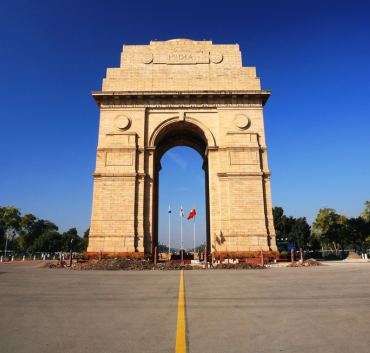
India Gate & Presidential Avenue: A 42-meter-high stone archway commemorating fallen soldiers,
standing proudly along the ceremonial Rajpath boulevard near the Official Residence of the
President (Rashtrapati Bhavan).
Insider Travel Tip for Western Visitors
To experience Delhi comfortably without feeling rushed, plan for a 2-day stay. Begin your mornings early
around 8:30 AM to tour open-air monuments like Qutub Minar and Humayun’s Tomb before the
afternoon warmth, leaving the afternoons for climate-controlled museum visits or luxury shopping.
Leg 2: Agra — The Immortal City of Eternal
Love
Leaving Delhi via the smooth, modern Yamuna Expressway, a pleasant three-hour private chauffeur
drive brings travelers south to Agra, situated quietly along the banks of the sacred Yamuna River. Agra
achieved international renown as the imperial capital of the Mughal Empire during the 16th and 17th
centuries, under the visionary rule of Emperors Akbar, Jahangir, and Shah Jahan.
The Crown Jewel: Taj Mahal
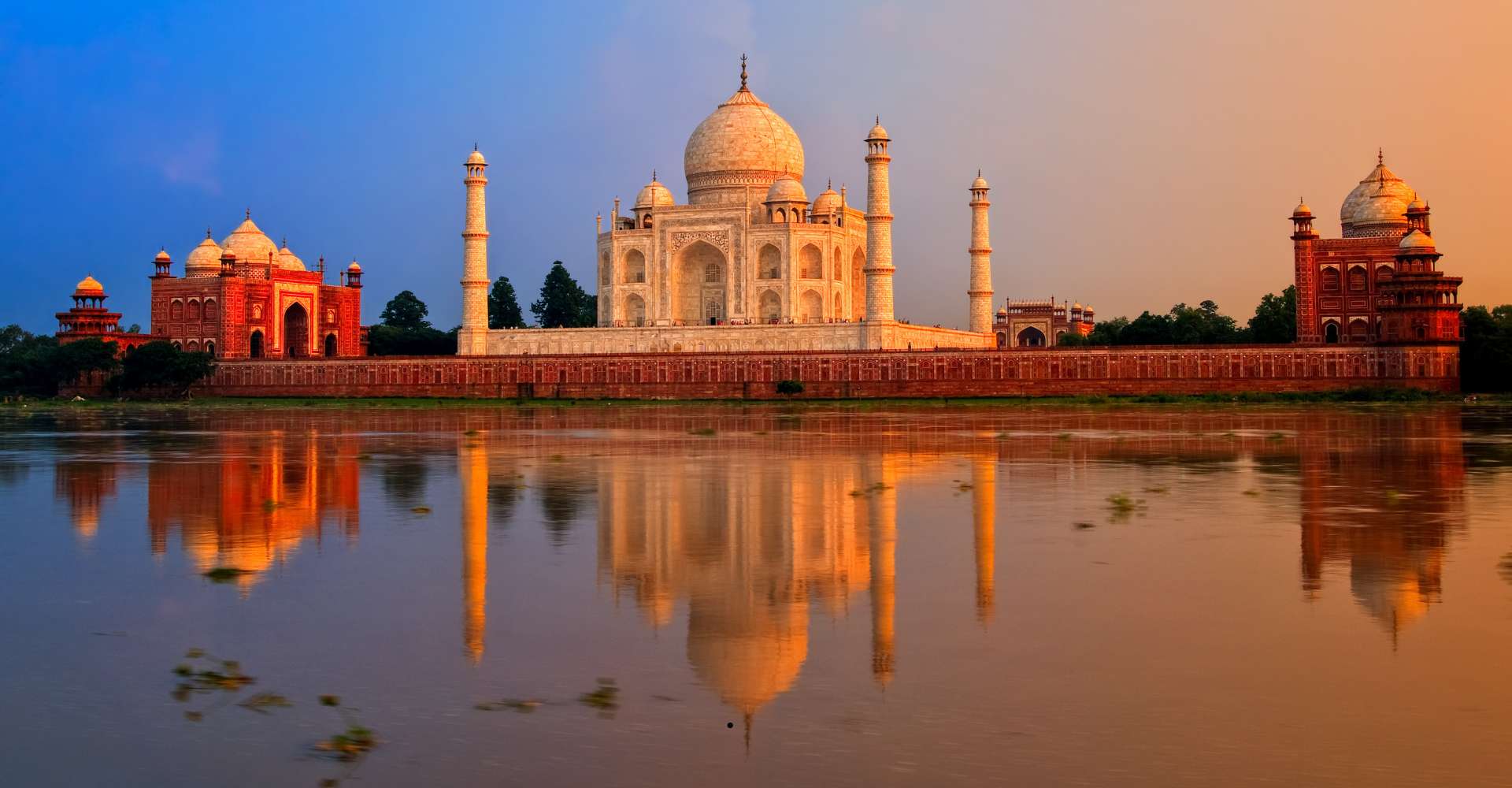
Nothing quite prepares the human eye for the real-life encounter with the Taj Mahal. Recognized
globally as one of the Seven Wonders of the New World and a UNESCO World Heritage site, this
magnificent ivory-white marble mausoleum was commissioned in 1632 by Emperor Shah Jahan to honor
the memory of his beloved wife, Mumtaz Mahal.
Crafted over 22 years by more than 20,000 master artisans, stonemasons, and calligraphers brought
from Persia, Central Asia, and Europe, the Taj Mahal is an unmatched triumph of symmetry and artistic
detail. The exterior walls are decorated with intricate Pietra Dura—a specialized inlay technique using
semi-precious gemstones like lapis lazuli, turquoise, onyx, and mother-of-pearl carved directly into pure
white translucent marble.
The Sunrise Experience: Arrive at the VIP entrance gates at dawn (around 5:45 AM). As the first
light of sunrise hits the dome, the marble transforms from soft lavender hues to warm golden
tones—offering breathtaking photography opportunities free of peak afternoon crowds.
Mehtab Bagh (Moonlight Garden): Located directly across the river, this historic Mughal garden
offers an unobstructed, peaceful sunset view of the Taj Mahal reflected across the Yamuna waters.
Agra Fort & The Lost Capital of Fatehpur Sikri
Beyond the Taj Mahal, Agra holds other world-class historical treasures. The massive Agra Fort, a
massive red sandstone citadel that served as the primary seat of Mughal power, features opulent
marble palaces like the Khas Mahal, Diwan-i-Khas, and the octagonal Musamman Burj tower, where
Shah Jahan spent his final years gazing quietly at the Taj Mahal.
Just 40 kilometers west of Agra lies Fatehpur Sikri, a perfectly preserved red sandstone ghost city built
by Emperor Akbar in 1571. Abandoned after only 14 years due to water shortages, its massive Buland
Darwaza gateway (54 meters high) and pristine courtyards stand as silent testaments to Akbar’s grand
architectural vision.
Leg 3: Jaipur — The Royal Pink City of
Rajasthan
From Agra, your private vehicle journeys west into Rajasthan, India’s storied desert state of warrior
princes and grand fortresses. The terminal point of the Golden Triangle is Jaipur, famously nicknamed
‘The Pink City.’ In 1876, Maharaja Ram Singh ordered the entire city painted in a distinct terracotta-pink
shade—the traditional color of royal hospitality—to welcome the visiting Prince of Wales (later King
Edward VII). Today, the historic walled city retains this iconic color scheme by municipal law.
The Fortresses of the Rajput Kings
Amber Fort (Amer Fort): Perched dramatically atop the Amer hills, this 16th-century fortress blends
Rajput and Mughal architecture. Visitors can ride up to the grand courtyards and explore the famous
Sheesh Mahal (Palace of Mirrors), where thousands of tiny convex mirrors illuminate the marble
chamber under a single candle flame.
Nahargarh & Jaigarh Forts: Standing high on the Aravalli hills, Nahargarh and Jaigarh offer
panoramic views across the Jaipur urban expanse and house the world’s largest historic wheeled
cannon, the Jaivana.
Royal Palaces & Astronomical Genius
Hawa Mahal (Palace of Winds): Featuring an extraordinary five-story facade crafted with 953 small,
delicately carved latticework windows (Jharokhas). This unique design allowed royal women of the
court to observe colorful street festivals below while remaining unobserved by the public.
City Palace Complex: The official residence of the Jaipur Royal Family, featuring grand courtyards,
museums displaying royal garments, and exquisite weapons collections.
Jantar Mantar Observatory: A UNESCO World Heritage astronomical park built in 1734 by King
Sawai Jai Singh II. It houses 19 monumental stone architectural instruments, including the world’s
largest stone sundial (Samrat Yantra), accurate to within two seconds.
Essential Travel Logistics for Overseas
Visitors
To ensure a seamless, high-comfort vacation across India’s Golden Triangle, international visitors from
North America and Europe should keep these key operational guidelines in mind
Best Time to Visit: The optimal window for visiting North India is between October and March,
when temperatures range between a pleasant 15°C to 25°C (59°F to 77°F), ideal for outdoor
sightseeing and heritage walking tours.
Private Chauffeur vs. Rail: Traveling via a private luxury chauffeur vehicle is the most comfortable
and flexible option. Modern expressways like the Yamuna Expressway (Delhi to Agra) and the Delhi-
Mumbai Expressway significantly reduce driving times.
Heritage Accommodation: One of India’s greatest highlights is staying in converted heritage Haveli
hotels (historic royal mansions) or world-class luxury palace hotels (such as the Taj, Oberoi, or Leela
properties), offering authentic royal hospitality with international luxury standards.
Licensed Guides: Hiring government-approved, fluent English-speaking local guides ensures
accurate historical context, fast-track entrance entry, protection from unauthorized vendors, and
personalized cultural insights.
Book Your India Tour with Creative India Tours
The Golden Triangle of India is far more than a sightseeing tour it is a deeply transformative journey
through the high points of human architecture, royal legacy, and living tradition. By walking through the
red sandstone courtyards of Delhi, standing in silent awe before Agra’s Taj Mahal, and discovering the
pink-walled palaces of Jaipur, international travelers gain a lifelong appreciation for India’s rich cultural
heritage.
As a specialized inbound travel operator serving guests from the USA, UK, Canada, and around the
globe, our agency crafts fully customized, stress-free heritage itineraries tailored to your exact pacing,
dietary requirements, and accommodation preferences. Contact our expert travel team today to start
designing your tailor-made Golden Triangle journey to India.

Comments