
The Land of Spiritual Wisdom
For thousands of years, India has been globally revered as the birthplace of major world religions, philosophies, and contemplative practices—including Hinduism, Buddhism, Jainism, and Sikhism. From the sacred waters of the holy Ganges River to the serene, forested foothills of the Himalayas, the Indian subcontinent offers a serene retreat for travelers seeking mindfulness, ancient history, and spiritual reflection.
For visitors traveling from the United States, Canada, Europe, and Australia, exploring India’s spiritual heartlands is often a deeply transformative experience. It provides an opportunity to step away from the fast-paced modern world and observe traditions that have continued unbroken for over three millennia. This 1,200-word spiritual guide explores India’s most venerated destinations, offering practical advice for international seekers.
1. Varanasi: The Eternal City on the Ganges
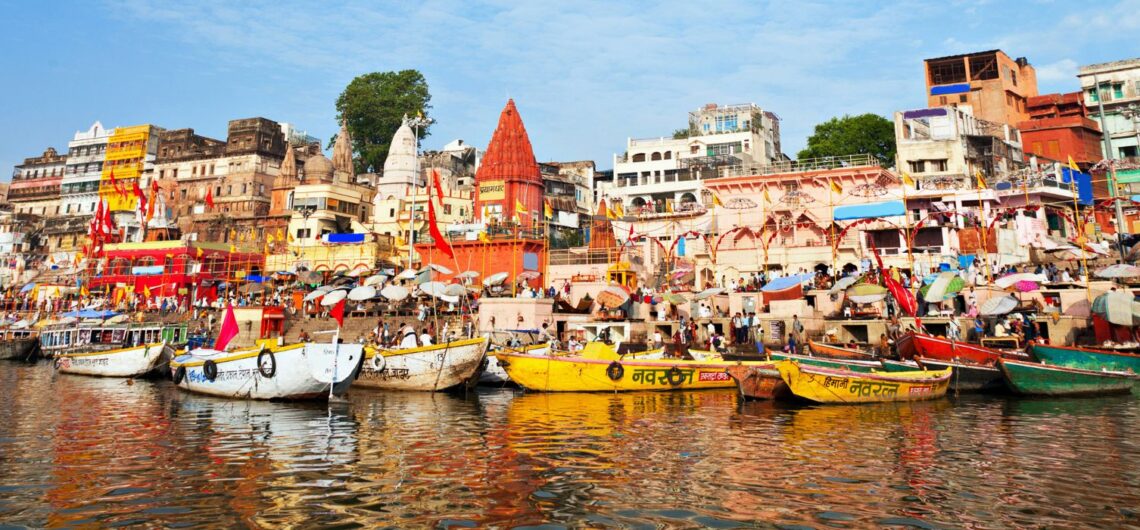
Situated along the crescent curved banks of the sacred River Ganges in Uttar Pradesh, Varanasi (also known as Kashi or Benares) is widely recognized as one of the world’s oldest continuously inhabited cities. Mark Twain famously wrote that Varanasi is ‘older than history, older than tradition, older even than legend, and looks twice as old as all of them put together.’
The Sacred Ghats of Varanasi
The city’s spiritual life revolves around its 84 stone riverfront steps, known as ghats. Each morning at dawn, thousands of pilgrims descend to the water’s edge to offer prayers to the rising sun, perform ritual baths, and chant ancient Vedic hymns.
- Dawn Boat Ride: Boarding a private rowboat at sunrise provides a peaceful view of life along the ghats. Watch pilgrims, sadhus (holy ascetics), and historic riverfront palaces bathed in soft golden morning light.
- The Evening Ganga Aarti: Every evening at sunset, Dashashwamedh Ghat hosts the awe-inspiring Ganga Aarti. Young Hindu priests dressed in traditional silk robes perform synchronized rituals using heavy brass oil lamps, incense, bells, and rhythmic chanting, creating an unforgettable atmosphere of light and devotion.
2. Rishikesh & Haridwar: Yoga & Mountain Serenity
Located where the emerald waters of the Ganges flow out from the Himalayan foothills, Rishikesh is internationally celebrated as the ‘Yoga Capital of the World.’ Made famous in the West after The Beatles visited Maharishi Mahesh Yogi’s ashram in 1968, Rishikesh remains a center for yoga, meditation, and holistic Ayurvedic wellness.
Experiences in Rishikesh for International Guests
- Authentic Yoga & Meditation Retreats: Stay at world-class luxury wellness retreats (such as Ananda in the Himalayas) or authentic traditional ashrams to practice yoga, Pranayama breathing, and meditation with certified master instructors.
- Ayurvedic Wellness & Spa Treatments: Receive personalized health evaluations from qualified Ayurvedic doctors, enjoying customized herbal therapies, body massages (Abhyanga), and organic nutrition plans.
- Iconic Suspension Bridges: Cross the famous iconic suspension bridges Lakshman Jhula and Ram Jhula, exploring riverside cafes and peaceful meditation spots along the clean mountain river.
3. Sarnath: The Cradle of Buddhist Philosophy
Located just 10 kilometers northeast of Varanasi lies Sarnath, one of the four most sacred pilgrimage sites in Buddhism. It was here, in the tranquil Deer Park around 528 BCE, that Gautama Buddha delivered his very first sermon after achieving enlightenment, introducing the Four Noble Truths and the Eightfold Path.
- Dhamek Stupa: A massive cylindrical stone stupa standing 43.6 meters high, built by Emperor Ashoka in 249 BCE to mark the sacred spot of Buddha’s first teaching.
- Sarnath Archaeological Museum: Houses spectacular ancient stone sculptures, including the original 3rd-century BCE Lion Capital of Ashoka, which serves as the official National Emblem of India.
4. The Stone Temples of South India: Architectural Marvels
While North India features serene river ghats and ashrams, South India is famous for its massive, intricately carved Dravidian stone temple complexes.
- Brihadeeswarar Temple in Thanjavur: A UNESCO World Heritage site built in 1010 CE by Emperor Raja Raja Chola I. Its central stone tower (Vimana) reaches 66 meters high and is crowned by a single carved granite block weighing 80 tons.
- Meenakshi Temple in Madurai: Known for its soaring, colorful entrance gateways (Gopurams) decorated with thousands of painted stone figures of deities and mythical creatures.
| Tips for Visiting Sacred Sites in India Maintain a quiet, respectful presence inside temple sanctuaries. Always remove footwear and hats before entering sacred grounds. Maintain modest attire covering shoulders and legs, and always ask permission before photographing holy sadhus or worshipping devotees. |
Embark on a Soulful Journey
Exploring India’s spiritual heartlands is more than a sightseeing tour—it is a journey of quiet reflection and cultural discovery. From the morning chants on the riverbanks of Varanasi to the peaceful mountain air of Rishikesh, India offers a serene sanctuary for travelers from all walks of life.
Our specialized travel agency creates seamless, comfortable spiritual itineraries featuring private transfers, handpicked boutique stays, and knowledgeable local guides. Contact us today to customize your personal spiritual journey to India.

Comments